Engagement vs. Wedding Rings: Key Differences Explained
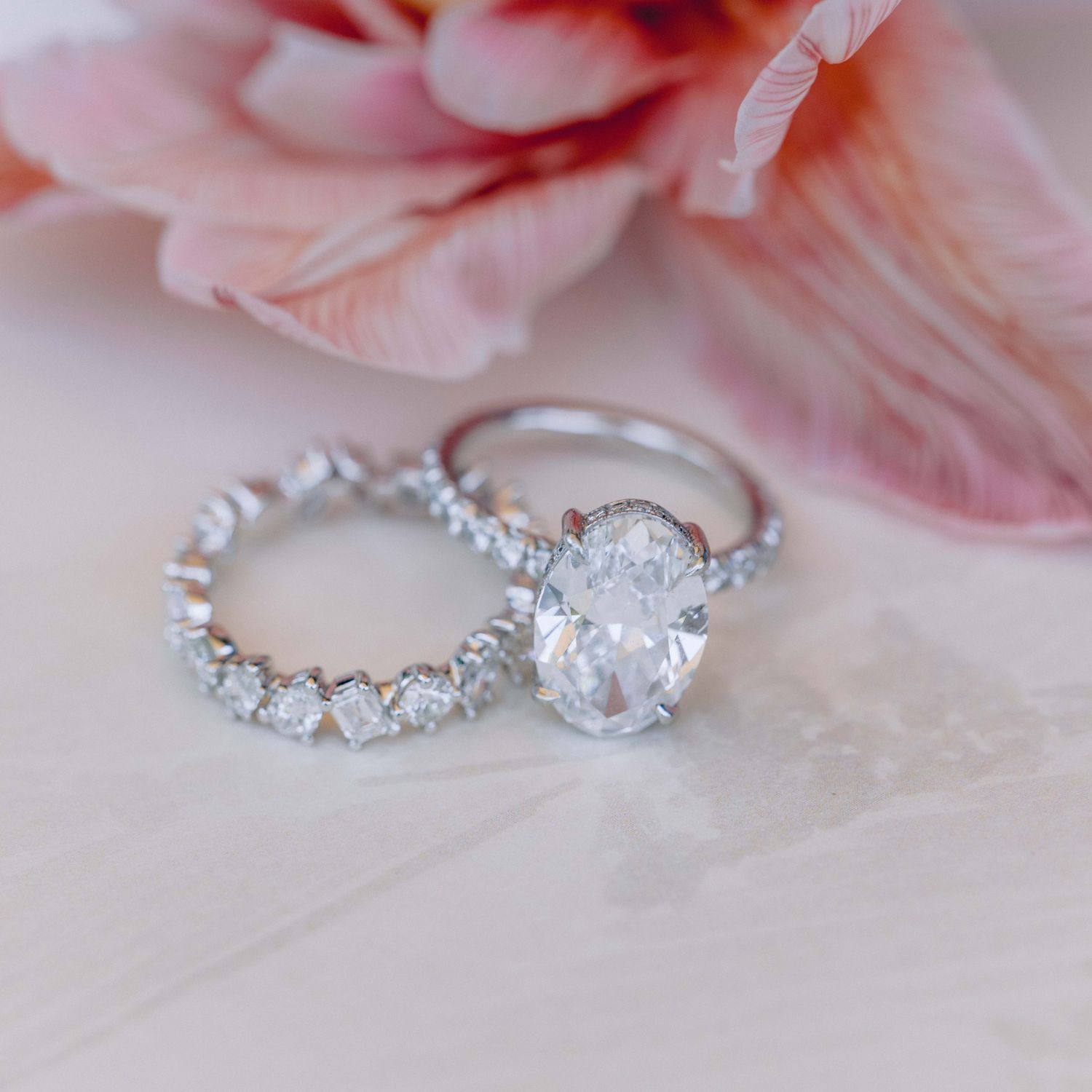
At Silver Ninetynine, we offer beautiful synthetic diamond jewelry that combines elegance and sustainability. Our lab-grown diamonds are a perfect choice for engagement rings, earrings, and more, providing an ethical and affordable option without sacrificing quality or style.
When it comes to wedding jewelry, two pieces often come to mind: engagement rings and wedding rings. While these rings serve significant purposes in the journey of love and commitment, they are distinct in meaning, design, and tradition. Understanding the differences between these two types of rings can help couples make informed choices as they embark on their journey together.
What is an Engagement Ring?
An engagement ring is traditionally given during the proposal, symbolizing the intention to marry. It is often characterized by a prominent gemstone, usually a diamond, which represents the couple's commitment to one another. Here are some key aspects of engagement rings:
1. Purpose
The primary purpose of an engagement ring is to signify a couple's intention to marry. It is a symbol of love and commitment, often worn on the ring finger of the left hand. This tradition dates back to ancient cultures, where it was believed that a vein in this finger (the "vena amoris") connected directly to the heart.
2. Design
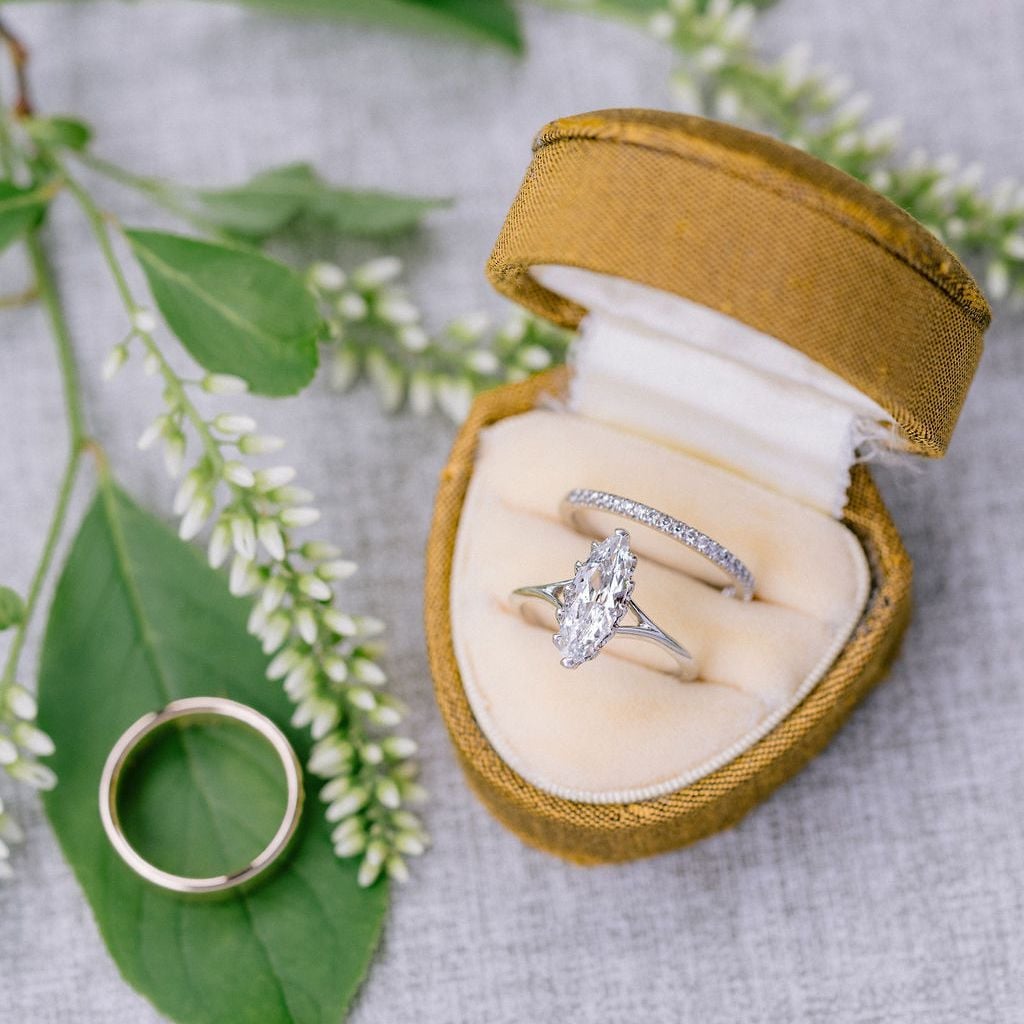
Engagement rings come in various styles, but they often feature a center stone, typically a diamond, that is surrounded by smaller stones or set in intricate designs. Popular styles include solitaire, halo, three-stone, and vintage designs. The design can reflect the wearer's personal style and preferences, making it a deeply personal choice.
3. Material
Engagement rings are commonly made from precious metals like platinum, white gold, yellow gold, or rose gold. The choice of metal can enhance the overall look of the ring and can be chosen to match the wearer's existing jewelry.
4. Cost
Engagement rings can vary significantly in price, with factors such as the size and quality of the gemstone, the metal used, and the complexity of the design influencing the cost. The traditional guideline suggests spending two to three months' salary on an engagement ring, but this is ultimately a personal decision.
What is a Wedding Ring?
A wedding ring, also known as a wedding band, is exchanged during the wedding ceremony and symbolizes the couple's marriage and commitment to each other. Unlike engagement rings, wedding bands are often simpler in design and can be customized to match the couple's style. Here are the key aspects of wedding rings:
1. Purpose
The wedding ring represents the formal union of two individuals. It is exchanged during the wedding ceremony as a promise of loyalty, love, and commitment. Wedding rings are usually worn every day as a reminder of the vows made during the ceremony.
2. Design
Wedding rings typically have a more understated design compared to engagement rings. They can be simple bands or may feature delicate engravings or small gemstones. Many couples choose matching wedding bands to symbolize their union, while others opt for personalized designs that reflect their unique styles.
3. Material
Like engagement rings, wedding bands are made from precious metals such as platinum, gold (in various colors), and silver. Some couples may also choose alternative materials like titanium, tungsten, or even wood, especially for a more modern or personalized look.
4. Cost
Wedding bands are generally less expensive than engagement rings due to their simpler designs and smaller gemstones (if any). However, the price can still vary based on material, craftsmanship, and customization options. Couples often budget for wedding bands alongside other wedding expenses.
Key Differences Between Engagement Rings and Wedding Rings
Understanding the differences between engagement rings and wedding rings can help couples navigate their choices more effectively. Here are the main distinctions:
1. Symbolism
The engagement ring symbolizes the promise of marriage, while the wedding ring represents the actual union of two people in marriage. The engagement ring is often given with a proposal, while the wedding ring is exchanged during the ceremony.
2. Timing of the Exchange
Engagement rings are typically given before the wedding, during the proposal. In contrast, wedding bands are exchanged during the wedding ceremony itself, marking the official start of the marriage.
3. Design and Style
Engagement rings often feature a prominent gemstone, whereas wedding rings tend to be simpler bands. Engagement rings are generally designed to stand out, while wedding bands may be more understated and can complement the engagement ring.
4. Wear and Occasion
While engagement rings are worn daily, they may be removed during certain activities or events (like working out or swimming) to protect the gemstone. Wedding bands, however, are usually worn at all times as a symbol of commitment and unity.
5. Cost and Budgeting
Engagement rings tend to be more expensive than wedding bands due to the presence of larger gemstones and intricate designs. Couples often allocate a different budget for each ring, reflecting their individual significance and styles.
Choosing the Right Rings for You
When selecting engagement and wedding rings, couples should consider their personal styles, preferences, and budgets. Here are some tips to help with the decision-making process:
1. Do Your Research
Understand the different styles, designs, and materials available for both engagement and wedding rings. Explore various jewelers and collections to find inspiration.
2. Consider Your Lifestyle
Think about how your lifestyle will affect your choice of rings. If you lead an active lifestyle, you may prefer more durable materials or simpler designs that can withstand everyday wear and tear.
3. Set a Budget
Determine a budget that works for both rings, keeping in mind the costs associated with the wedding itself. Remember that while tradition suggests spending a certain amount on engagement rings, what matters most is the meaning behind the rings.
4. Involve Your Partner
Engagement and wedding rings are deeply personal, so consider involving your partner in the decision-making process. Discuss styles, preferences, and any shared visions for the rings.
5. Think About Customization
Many couples choose to customize their rings to reflect their unique love story. Whether it’s through engraving meaningful dates, initials, or selecting specific gemstones, personalization adds an extra layer of significance.
Conclusion
Engagement rings and wedding rings each hold unique significance in a couple's journey of love and commitment. While engagement rings symbolize the promise of marriage and are often characterized by elaborate designs and prominent gemstones, wedding rings signify the union itself, typically featuring simpler, elegant designs. Understanding the key differences between these two types of rings can help couples make informed decisions that reflect their style and commitment to one another. Ultimately, both rings are cherished symbols of love that mark important milestones in a couple's life together.